This website use cookies to ensure you get the best experience on our website

The Voices Behind Your English
If you freeze when speaking English at work, go blank mid-sentence, or go quiet precisely when you most need to speak, the reason is rarely the language, it's which of three distinct voices got there first. The Controller, the Protector, and the Guide. A Peruvian bar in central Madrid is where I first understood the difference.
Continue reading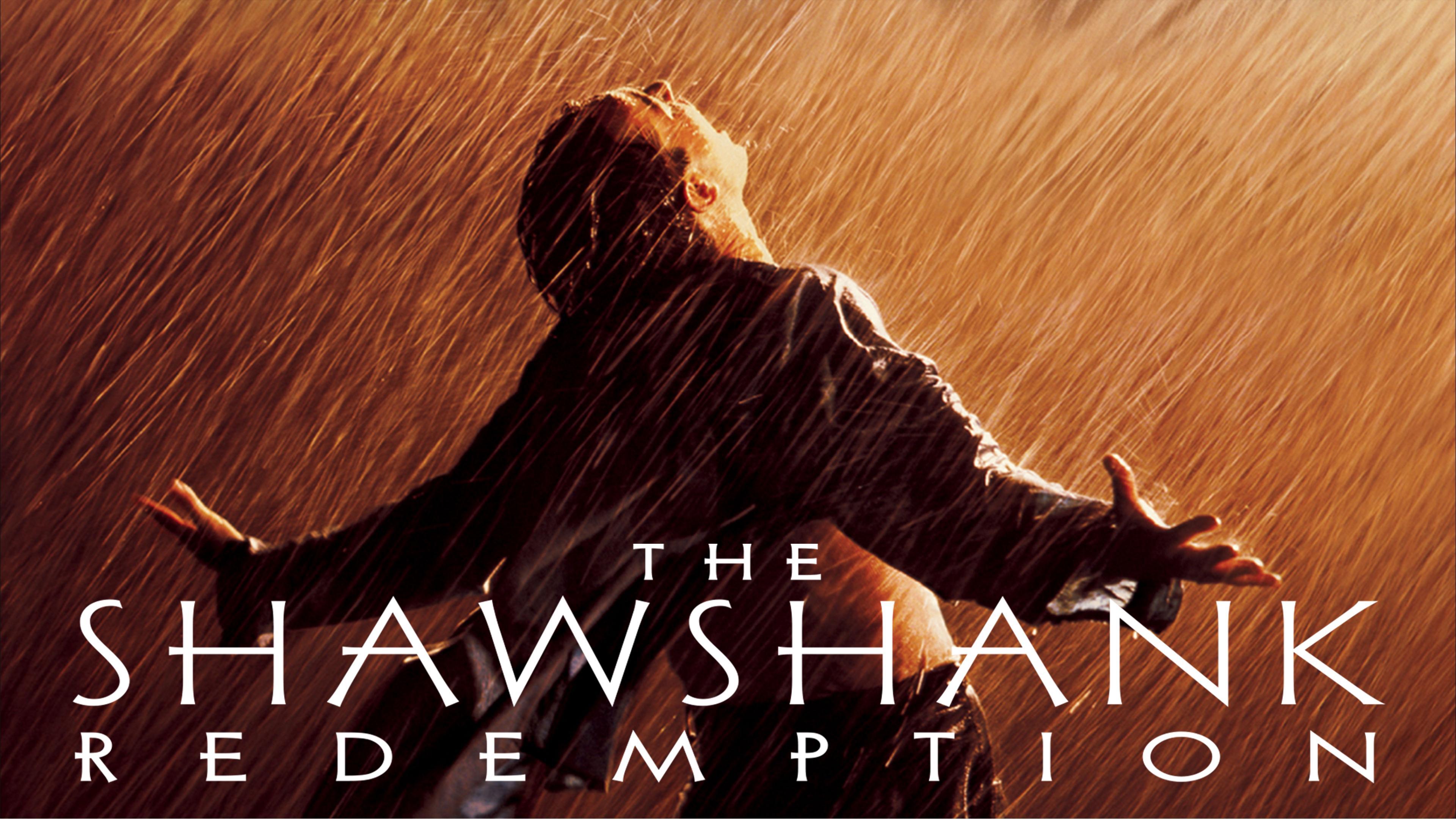
What Shawshank Redemption Taught Me About Your English
I came home one evening and Shawshank Redemption was on TV. It took me thirty seconds to realise it was in Spanish. And what happened next completely changed how I help my clients see how far they've already come with their English.
Continue reading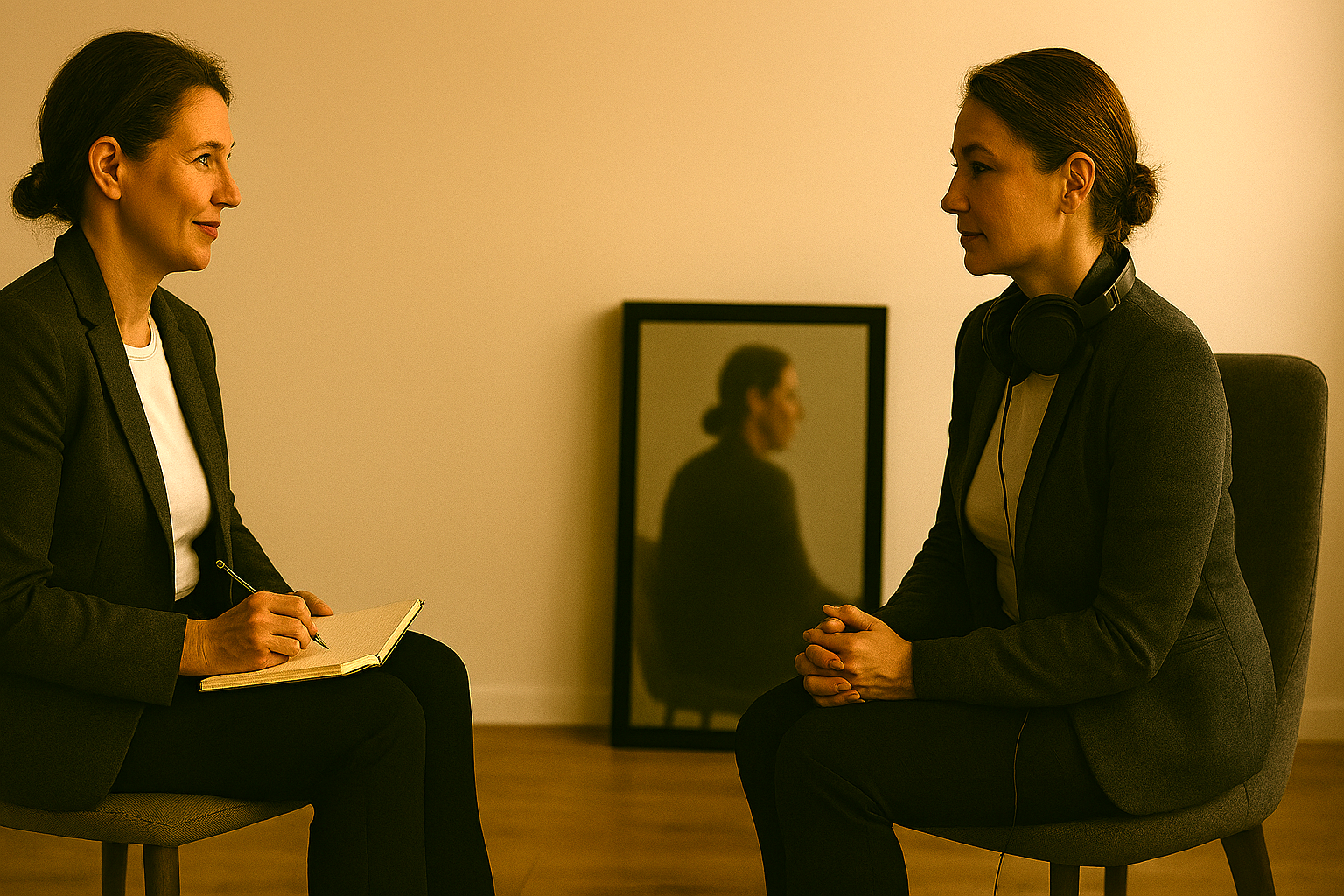
Who Are You When You Speak English?
Teresa is a COO who runs teams across several European countries and has been doing it for years in a language that isn't her own. She told me recently that there are moments where she simply doesn't lead. Not because she doesn't know what's happening. Because the gap between certainty and almost-certainty is enough to keep her quiet.
Continue reading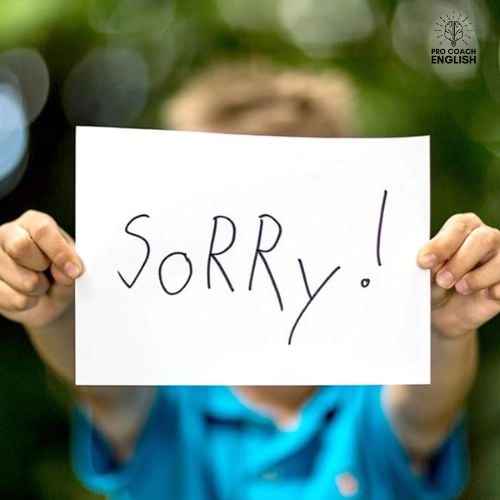
Say Thank You. You Just Learned Something
Last week a client corrected a preposition mistake via WhatsApp in about four seconds. His immediate response was two sorries and the words "I knew that." He wasn't apologising for not knowing. He was apologising for being human in a language he's been working on for years. That reflex has a name, a cause, and a very simple alternative.
Continue reading
How 'Machos Alfa' Became My Progress Report
I thought I'd accidentally clicked on the wrong episode. I had. It was the one I'd watched three years earlier. Same show, same scenes, same jokes. But this time I didn't need the subtitles. Nobody had told me my Spanish had improved. No class, no test, no certificate. It had just happened, quietly, while I was getting on with everything else. That's how progress works. In any language.
Continue reading
It Depends Who's in the Room
Two weeks apart, someone told me my Spanish was incredible and a Spanish friend gave it four out of ten. Same language, same speaker, completely different verdict. Which one was true? Both of them, as it turns out, and neither of them particularly mattered.
Continue reading
Do You Even Know How Intelligent I Am in Spanish?
Every week I sit across from someone who leads teams, drives strategy, and commands genuine authority in their professional life, and I watch them go quiet the moment English enters the conversation, and it has nothing to do with their level. There's a moment in Modern Family where Sofia Vergara's character gets so frustrated mid-conversation that she stops and asks the person she's talking to whether they have any idea how intelligent she is in Spanish. I've never heard it described more precisely than that.
Continue reading
The Face of Confusion
Every time I spoke to her, she gave me the face. Eyes half closed, a squint of "what the hell is this guy saying?" And I'd walk away feeling like I'd failed. I told myself that story for five years. Then she pointed at her hearing aid and said five words that changed everything.
Continue reading
The Missing Piece: Why Great English Coaching Has Always Needed More Than a Classroom
There's a gap between feeling confident in a coaching session and freezing in a real meeting. It's not a vocabulary gap or a grammar gap. It's a spontaneity gap, the difference between English you've had time to think about and English you need right now, with someone looking at you, waiting. This is about that gap, and the tool I use to close it.
Continue reading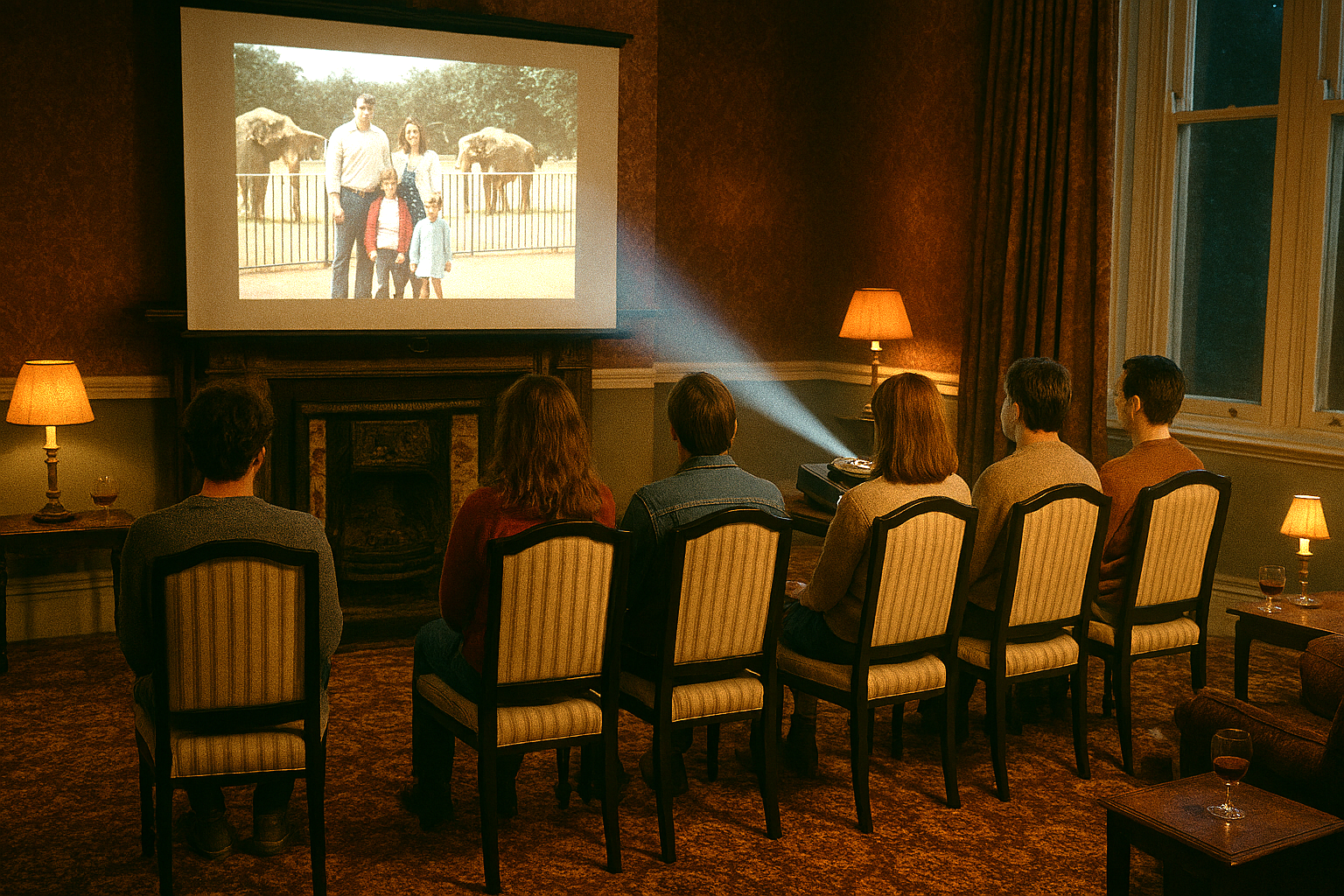
The Crowd in Your Head Is Not the Room You're In
My dad showed holiday slides to six friends in his living room and went to bed happy. Most of the professionals I work with are performing for a crowd of thousands that doesn't exist. This is what the freeze actually is, and why it has nothing to do with your English.
Continue reading
When the Method Doesn't Match the Mind
We all have our own Iñaky. The teacher who corrected you mid-sentence until you stopped speaking. The app everyone swore by that made you feel like a failure. The method that worked for everyone around you and that you absolutely could not stick with. The problem wasn't you. The problem was the method.
Continue reading
Why You Should Stop Comparing Your English to Native Speakers
Seven years ago I found a book by the bins in Madrid and gave it away because I couldn't understand a word of it. This afternoon I found it again at my sister-in-law's and read it. That moment taught me more about language learning than any class ever has.
Continue reading